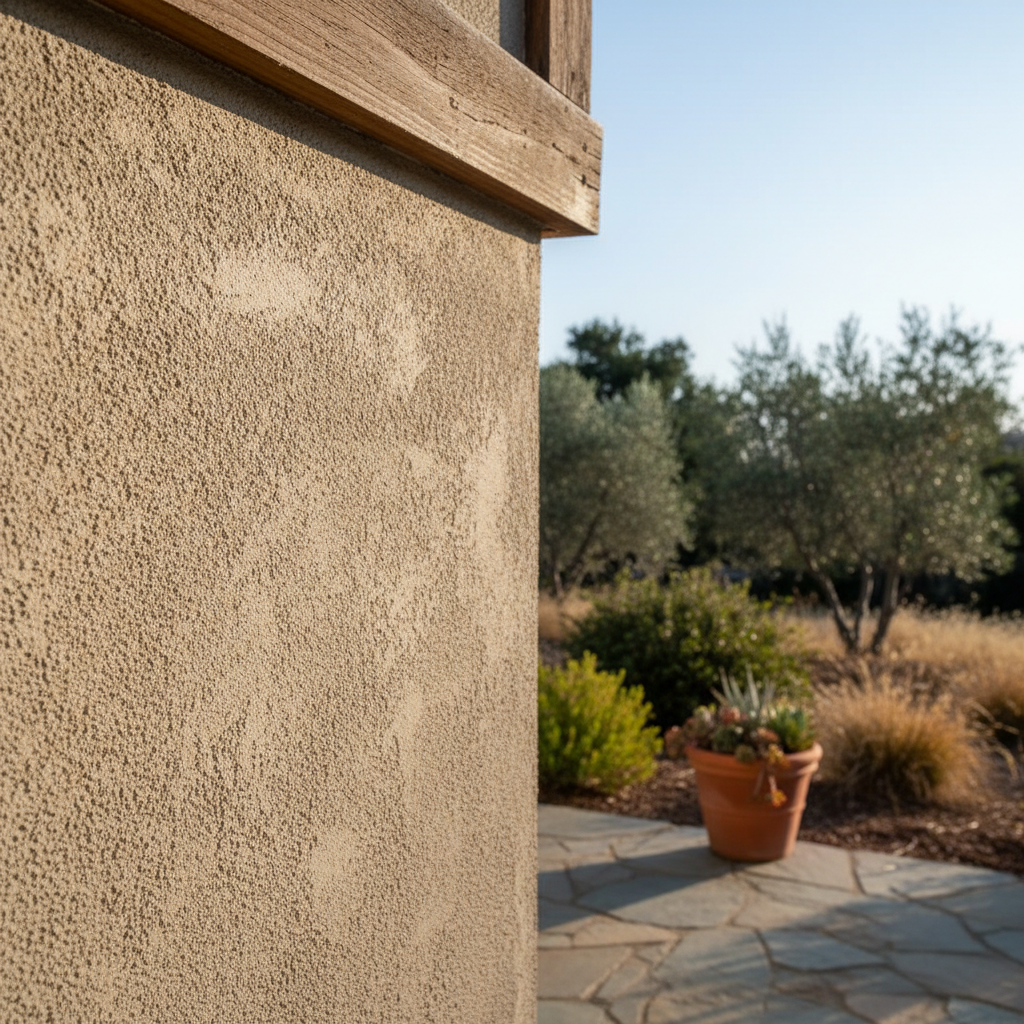
Your stucco's seen better days, hasn't it? Maybe you've got cracks, water stains, or just that tired, old look. Stucco replacement isn't a small job, but it's often a necessary one to protect your home and boost its curb appeal. As someone who's been doing this work in Saratoga for years, I've seen it all, from minor repairs to full-on overhauls.
Before You Start: Assessing the Damage & Planning
First things first: figure out why your stucco is failing. Is it just cosmetic, or is there a deeper issue? Small hairline cracks, especially around windows and doors, are pretty common, but if you've got large, spiderweb cracks, bulging, or soft spots, you're likely looking at water intrusion. That's a big deal. Water behind stucco can lead to rot in your sheathing and framing, and that's a problem that grows fast.
You can do a quick visual inspection yourself. Walk around your house, especially after a good rain. Look for dark streaks, efflorescence (white powdery deposits), or areas where the stucco looks discolored or feels soft when you press on it. Pay extra attention to areas around downspouts, hose bibs, and where different materials meet, like stucco next to wood trim. If you see significant damage or suspect water problems, you really need a professional assessment. Don't try to patch over a major water issue; it'll just come back to haunt you.
Think about what you want the finished product to look like. Are you going back with traditional stucco, or are you considering an Exterior Insulation and Finish System (EIFS), which offers better insulation? What color and texture are you leaning towards? Saratoga homes, especially those older ones up in the hills, often have a classic, smooth finish, but there are tons of options now. Having a clear idea helps us give you an accurate quote and ensures you'll be happy with the result.
During the Project: What to Expect
This isn't a DIY weekend warrior project, not for a full replacement anyway. Removing old stucco is messy, dusty, and labor-intensive. You'll need proper safety gear, scaffolding, and specialized tools. Plus, once the old stucco is off, you'll expose your home's sheathing and framing. This is where you might uncover hidden damage – rot, mold, or pest infestations – that absolutely needs to be addressed before new stucco goes on. If you're not experienced in identifying and repairing these issues, you're better off leaving it to the pros.
A professional crew, like us at Coastal Stucco, will handle the tear-off, any necessary repairs to the substrate, and then apply the new stucco system. This usually involves multiple layers: a weather-resistive barrier, lath (metal mesh), scratch coat, brown coat, and finally, the finish coat. Each layer has to cure properly, which means the project takes time. Weather plays a role too; you can't apply stucco in freezing temperatures or heavy rain. We're pretty lucky here in Saratoga with our generally mild climate, but even we get our share of wet winters that can slow things down.
What you *can* do during the project is prepare your property. Move outdoor furniture, cover plants you want to protect, and make sure there's clear access for our crew and materials. Communication is key. Ask questions, stay informed about the progress, and address any concerns promptly.
After the Stucco is On: Maintenance & Longevity
Once your beautiful new stucco is in place, you'll want to keep it looking great and performing its best. Stucco is durable, but it's not maintenance-free. Here's what you should be doing:
- Keep it clean: Wash your stucco periodically with a garden hose and a soft brush, or a low-pressure power washer. Avoid high pressure, which can damage the finish.
- Inspect regularly: Walk around your house at least once a year. Look for new cracks, especially after seismic activity (we know all about that here in California!). Check for any signs of water intrusion around windows, doors, and rooflines.
- Address small issues quickly: If you see a small crack, don't ignore it. Hairline cracks can be sealed with an elastomeric sealant designed for stucco. Catching these early prevents them from becoming bigger problems.
- Maintain landscaping: Keep bushes and trees trimmed away from your stucco. Vegetation can trap moisture against the wall, leading to mold growth and deterioration.
- Check gutters and downspouts: Make sure they're clean and directing water away from your foundation. Overflowing gutters are a common cause of stucco damage.
While you can handle basic cleaning and minor crack sealing, if you find larger cracks, soft spots, or suspect water damage, that's when you call in a professional. We can assess the situation, determine the root cause, and make the necessary repairs to ensure your stucco continues to protect your Saratoga home for decades to come. Don't hesitate to reach out if you've got questions or need a hand.