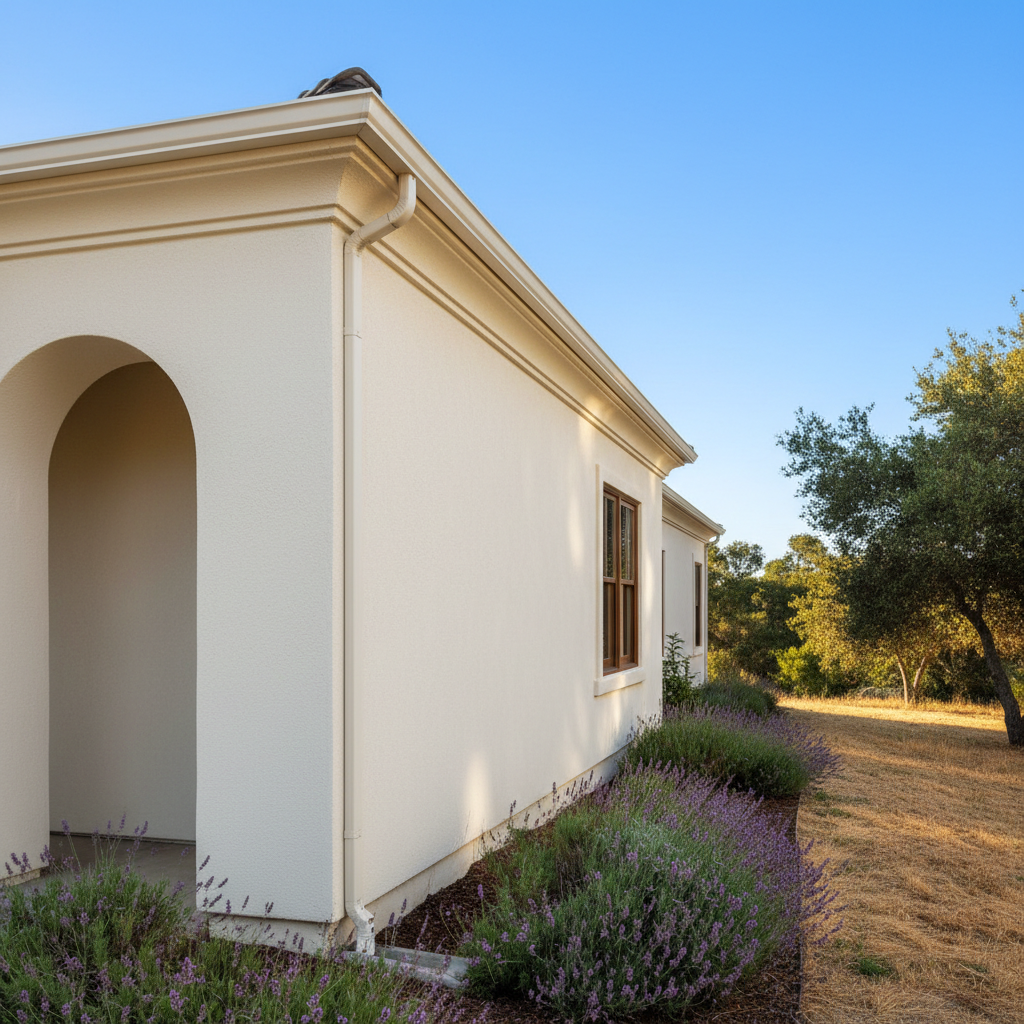
Let's talk about stucco. You have it on your Saratoga home for a reason. It is durable, it looks good, and when it is done right, it can last a very long time. But "long time" does not mean "no maintenance." Just like anything else on your house, a little bit of care helps extend its life. This is especially true with our unique California climate in Saratoga.
Extending Your Stucco's Lifespan
You want your stucco to last 50 to 80 years, maybe even a lifetime. That is possible, but it does not happen without effort. It starts with good installation, of course. After that, it is all about proactive care. Think of it as protecting your investment in your Saratoga home.
- Keep it Clean: This is probably the easiest thing you can do for your stucco. Dirt, dust, and even some organic materials can settle on your stucco. Over time, this can lead to staining. It can also encourage mildew or algae, especially in shaded areas of your Saratoga property. Give your stucco a good rinse with a garden hose and a soft brush once or twice a year. If you need a little more cleaning power, a mild detergent works well. Just do not use high-pressure washers, which can damage the stucco surface.
- Mind the Water: Our Saratoga climate means warm, dry summers. We then have those occasional heavy winter rains. You must make sure water is not sitting against your stucco or getting behind it. Check your gutters and downspouts regularly to make sure they are clear. They should be directing water away from your foundation. Make sure your sprinklers are not constantly drenching your stucco walls. Poor drainage is a very common cause of stucco problems in Saratoga.
- Paint Smart: If your stucco is painted, you will want to repaint and recaulk every seven to ten years. When you paint your stucco, use high-quality, breathable elastomeric or acrylic paints. These paints are made to stretch with the stucco as it expands and contracts with temperature changes. This is important here in California where we get those swings from hot days to cooler nights.
- Seal it Up: Applying a stucco sealant every few years can add an extra layer of protection against moisture and other environmental factors in Saratoga.
Regular Maintenance: Your Annual Checklist
I always tell homeowners to do a thorough walk-around of their Saratoga house at least once a year. It does not take long. It can save you many problems and a lot of money later on.
- Visual Inspection: Look closely at all your stucco surfaces. Are there any new stucco cracks? Is there any discoloration or staining on the stucco? Pay extra attention around windows, doors, and where different materials meet the stucco. These are common spots for stucco issues to start in Saratoga.
- Check Sealants and Caulking: The caulk around your windows, doors, and any other penetrations like pipes or vents will not last forever. Over time, it can dry out, crack, and pull away from the stucco. This creates an open invitation for water to get behind your stucco. If you see any gaps or deterioration in the caulk, re-caulk them promptly.
- Trim Back Vegetation: Trees and shrubs growing too close to your Saratoga house can trap moisture against the stucco. They can also block sunlight, which can encourage mold growth. They can even cause physical damage to the stucco. Keep them trimmed back a few feet from the stucco walls.
Warning Signs of Stucco Problems
You do not need to be a stucco expert to spot the early warning signs of stucco problems. If you see any of these signs, it is time to pay closer attention to your stucco.
- Cracks: Some hairline cracks are normal with stucco. It is a cement-based product, and some cracking is expected due to building settling, shrinkage, and seasonal temperature changes. But if you see stucco cracks that are wider than a credit card, or look like a spiderweb, which we call 'map cracking,' or are spreading, that is a red flag. Cracks over an eighth of an inch are definitely a concern for your stucco in Saratoga.
- Discoloration or Staining: Dark streaks on the stucco, especially below windows or near the foundation, often mean water is getting in. The water then runs down behind the stucco surface. White powdery residue, also known as efflorescence, is another sign of moisture issues with your stucco.
- Blistering, Bubbling, or Peeling: If the stucco finish itself is blistering, bubbling, or peeling, it almost always means water is trapped behind it. This causes pressure or weakens the bond of the stucco.
- Soft Spots or Bulging: Push gently on your stucco in a few spots. If it feels soft, spongy, or you see areas that are bulging out, that is a serious sign of moisture damage to the underlying structure.
- Mold or Mildew: Some surface mildew can be cleaned from stucco. However, persistent mold growth, especially in areas that are not typically shaded, can indicate moisture retention in the stucco.
- Pest Infestations: If water gets behind the stucco and causes wood rot, it creates an inviting environment for pests. We have seen many older Saratoga properties where unaddressed stucco issues led to dry rot and pest problems.
When to Call a Professional
I am for homeowners tackling what they can. But some things just need a professional stucco contractor. If you see any of those serious warning signs I just mentioned, do not try to patch it yourself with some caulk and hope for the best. You will likely just be covering up a bigger stucco problem.
You should definitely call Coastal Stucco or another reputable contractor if you have:
- Cracks wider than 1/8 inch: These stucco cracks need proper repair to make sure the underlying issue is addressed. It also makes sure the patch blends smoothly.
- Any signs of water intrusion: Discoloration, soft spots, bulging, or persistent mold on your stucco means water is getting where it should not. This often points to issues with flashing, weep screeds, or the building paper behind the stucco. Ignoring this is asking for expensive structural damage to your Saratoga home.
- Stucco separating from the wall: This is called delamination. It is a structural issue that needs immediate attention from a stucco professional.
- Damage around windows, doors, or rooflines: These are important areas for proper flashing and sealing of the stucco. If they are compromised, water will find its way in.
A good contractor will do a thorough assessment to find the root cause of the stucco damage. They will not just put a band-aid on it. We are familiar with how the expansive clay soils in parts of Saratoga can contribute to stucco issues. We know how to address those specific challenges. Getting it fixed right the first time will save you from more costly and extensive stucco repairs later on. It is about protecting your Saratoga home's value and keeping it solid for many years to come. Coastal Stucco provides Stucco services for homes in Saratoga, CA.