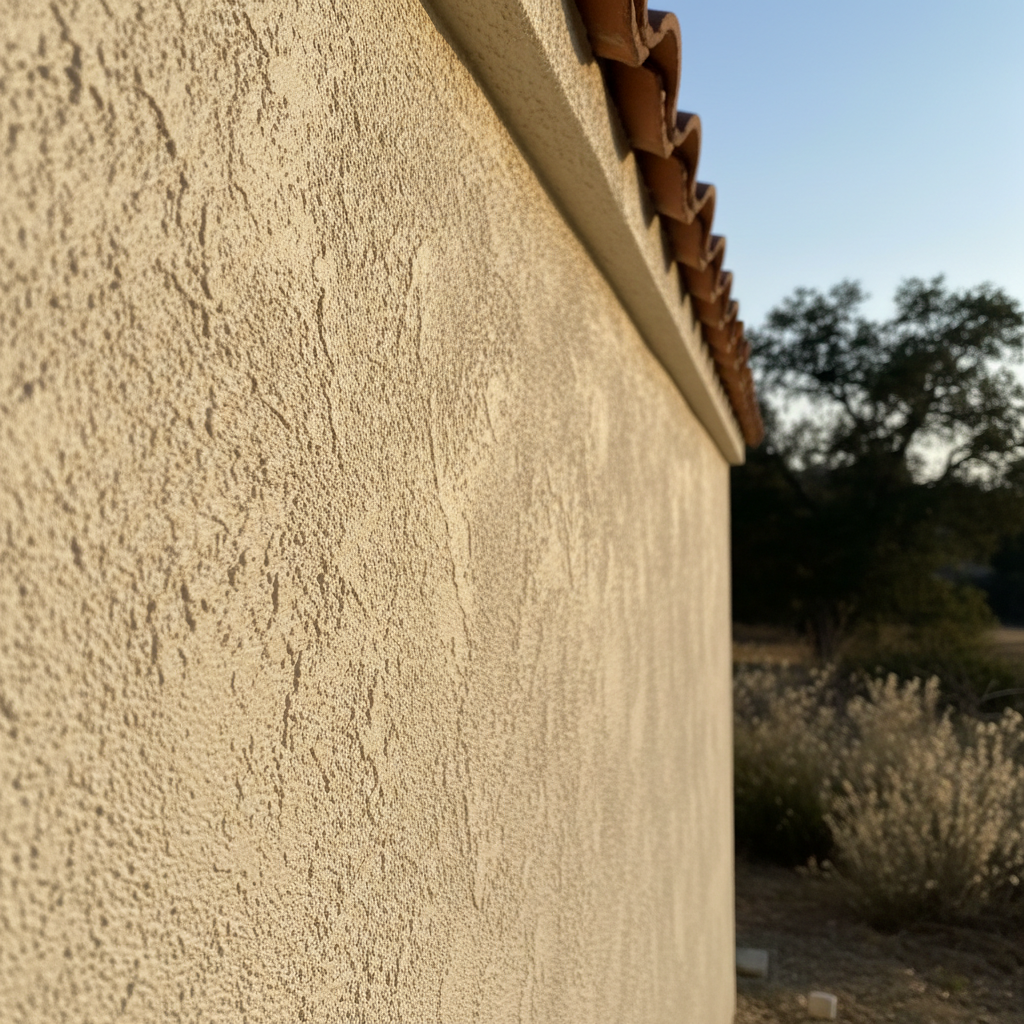
Got stucco on your place? Maybe you're wondering how it's holding up. Or perhaps you're eyeing a home in Saratoga, and the inspection report mentioned something about the stucco. Either way, knowing what to look for — and when to call in the pros for a stucco inspection — is pretty darn important. It's not just about how good your house looks; it's about protecting your biggest investment, right?
Before You Start: Your Own Quick Visual Check
Before you even think about hiring someone, you can do a pretty decent initial check yourself. Consider it your first pass. Grab a notepad, a pen, and your phone (for pictures!). Walk all the way around your house, really focusing on those stucco surfaces. What should you be looking for?
- Cracks: Not every crack is a bad sign. Those super thin hairline cracks, especially near windows or doors, are often just cosmetic. But wider cracks, or ones that look like a spiderweb, particularly at corners or where different materials meet, could point to bigger problems. Keep an eye out for cracks wider than a credit card.
- Discoloration or Staining: Dark streaks are a red flag, especially if you see them under windows, near the roofline, or around vents. This often means water is sneaking behind the stucco and trickling down, bringing dirt with it. Green or black patches? That could be mold or mildew, another clear sign of moisture.
- Bulges or Soft Spots: Try gently pressing on the stucco in a few different places. If it feels soft, spongy, or you can actually see areas that bulge out, that's a serious worry. This means the stucco has separated from the wall sheathing, probably because of water damage.
- Missing or Damaged Flashing: Flashing is that metal or plastic strip designed to guide water away from vulnerable spots, like around windows, doors, and where the roof meets the wall. If it's bent, rusted, or just plain missing, water's probably getting inside.
- Caulking Condition: Take a look at the caulk around your windows, doors, and anywhere the stucco meets other materials. If it's cracked, dried out, or gone altogether, it's not doing its job of keeping water out.
- Drainage Issues: Check out your landscaping. Are your sprinklers spraying directly onto the stucco? Is the ground sloped towards your foundation, sending rainwater right into the stucco instead of away from it? This is actually pretty common in some of the older Saratoga hillside homes, where the grading might have shifted over time.
Snap some pictures of anything that looks suspicious. You're not trying to diagnose the problem yourself; you're just gathering information so you can explain things clearly to a professional.
When to Call a Pro: It's Not Always Obvious
If your DIY check turns up anything more than small cosmetic cracks, or if you're just not quite sure, that's when you should call in a stucco inspection specialist. And I'm not just saying that because I run Coastal Stucco, honestly. A real stucco inspection goes way beyond just walking around and looking.
A professional inspector will use special tools. They might use a moisture meter, for instance, to find hidden moisture behind the stucco without having to tear anything open. They know exactly what to look for at every penetration point — pipes, vents, electrical boxes — and how to check the whole system's integrity. They're hunting for big, systemic issues, not just surface-level stuff.
You absolutely need a pro if:
- You notice significant cracking, especially if it's wider than 1/8 inch.
- There are any signs of water getting in, like staining, mold, or bulges.
- You're buying or selling a home and need an official report for the transaction.
- You suspect your home might have EIFS (Exterior Insulation and Finish System), which needs a very specific inspection approach because of how it handles drainage.
- You're planning any big renovations that could affect the stucco.
A good inspector will give you a detailed report, often with photos, explaining what they found, how serious any issues are, and what they recommend for repair or further investigation.
During the Inspection: What to Expect
When the inspector shows up, try to be there if you can. It's your house, and you'll learn a ton. They'll usually start with an exterior visual inspection, much like your own DIY check, but with a trained eye. They'll really focus on areas where water often gets in: around windows, doors, rooflines, and where decks attach to the house.
Then comes the more technical part. They'll use their moisture meters. These tools can often tell if there's moisture behind the stucco even when you can't see it from the outside. They might also use a small hammer or a sounding tool to tap on the stucco, listening for hollow sounds that signal delamination.
Don't be surprised if they ask to see the inside of your home, especially if they find problems outside. They'll want to check for water stains on interior walls, ceilings, or around windows, which can be more proof of stucco issues.
Ask questions! Seriously, don't be shy about pointing out areas you're worried about. A good inspector will explain what they're doing and why.
After the Inspection: What's Next?
Once you get that report, read it carefully. It's going to outline any problems they found, rate how severe they are, and suggest next steps. Don't panic if they find something. Most stucco issues are fixable, especially if you catch them early.
If repairs are necessary, get quotes from reputable stucco contractors. Share the inspection report with them; this helps them understand the full scope of work and give you an accurate estimate. Just make sure the contractors address the real cause of the problem, not just patch over the symptoms.
A stucco inspection isn't just about uncovering problems; it's about feeling confident. Knowing the condition of your home's exterior lets you make smart decisions, protect your investment, and keep your Saratoga home looking great and staying dry inside.