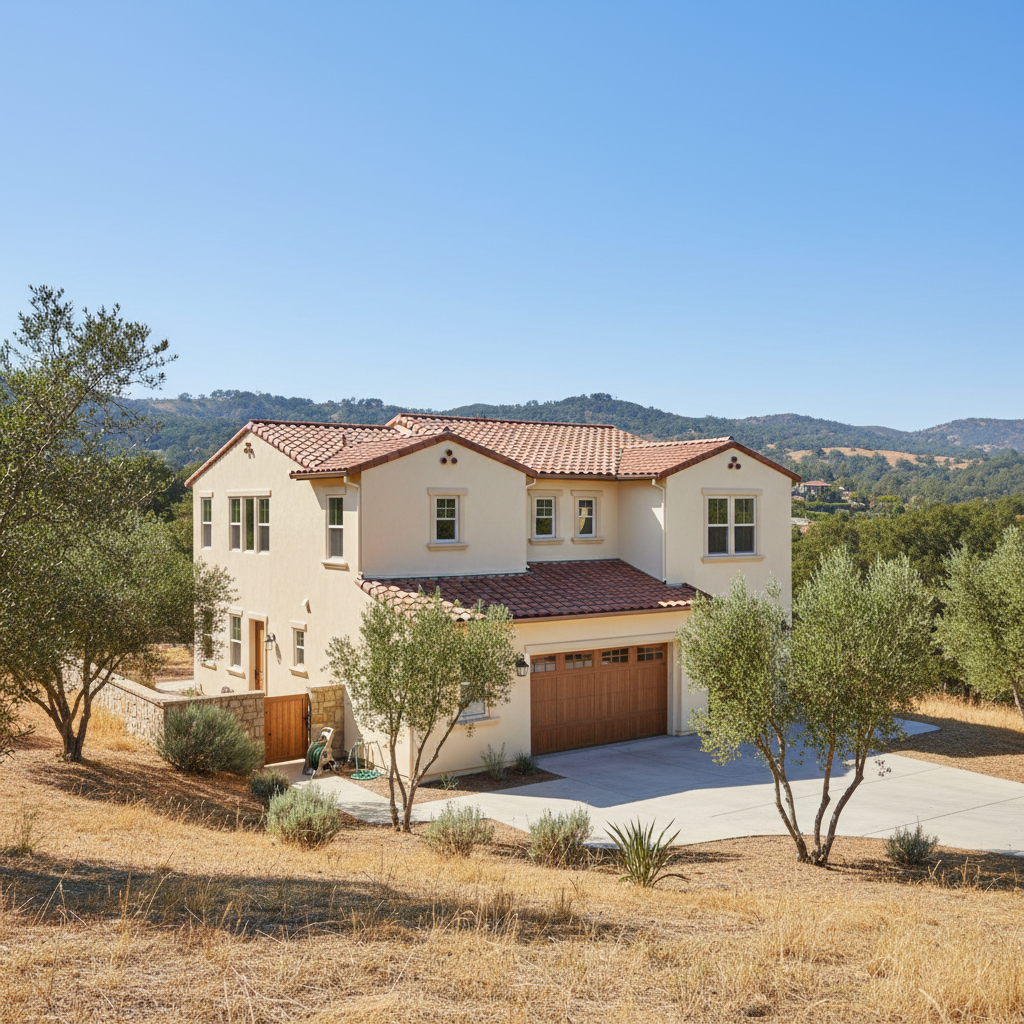
So, you're thinking about replacing your stucco. It's a big job, no doubt, but one that can really change how your home looks and protect your investment for years to come. I've seen countless stucco projects over the years here in Saratoga, and a well-planned one always goes a whole lot smoother. Let's talk about what you need to know to get this done right.
Understanding the Timeline: It's More Than Just Stucco
People often ask me, "How long does stucco replacement actually take?" There's no single answer that fits everyone, but I can give you a good idea of the different stages. First off, you've got the planning and permitting. In Saratoga, getting permits can take a few weeks, sometimes longer, depending on the city's workload and how complex your project is. You'll need architectural drawings, engineering if you're making structural changes, and then the city reviews all that. Don't rush this part; a solid plan prevents headaches later, trust me.
Once those permits are in hand, the actual construction phase kicks off. This usually involves:
- Demolition: We're talking about tearing off the old stucco. This is dusty, noisy work, and it'll expose your home's sheathing. This stage can take anywhere from a few days to a week or more, depending on your house's size.
- Substrate Repair/Installation: This is super important. We'll inspect the sheathing underneath. If there's any dry rot, water damage, or structural issues, now's the time to fix it. We might need to replace sections of plywood or even framing. This can add time, but you absolutely don't want to cover up problems, right?
- Weather Barrier & Lath: Next comes the new weather-resistive barrier, often multiple layers, and then the metal lath. This creates the foundation for your new stucco.
- Stucco Application: This is where the magic happens. It's usually applied in multiple coats – a scratch coat, a brown coat, and then the finish coat. Each coat needs time to cure properly, especially with our cooler, damp mornings we sometimes get in the foothills. You can't rush curing, or you'll get cracks.
- Finishing Touches: This includes painting, trim work, and cleaning up the site.
From start to finish, once the work begins, a typical stucco replacement for an average-sized home in Saratoga could be anywhere from 3 to 6 weeks. Sometimes it's longer if there are significant underlying repairs or weather delays. Factor in the permitting time, and you're looking at a multi-month process.
What to Expect During the Process
Your home's going to be a construction zone for a bit, there's just no getting around that. Here's a heads-up:
- Noise and Dust: Demolition is loud and dusty. We do our best to contain it, but you'll definitely notice it.
- Scaffolding: We'll put up scaffolding around your house. It's necessary for safety and quality, but it means limited access to certain windows and doors.
- Limited Access: Expect some areas around your home to be blocked off. We'll need space for materials, equipment, and our crew.
- Temporary Disruption: Your landscaping will be protected, but it might get a little beat up. We'll cover plants and pathways. We'll also need access to water and electricity.
- Open Walls: For a period, your home's exterior will be exposed down to the sheathing. We'll always secure it at the end of each day, but it's something to be aware of.
We'll keep you updated every step of the way. Communication is key to a smooth project.
How to Prepare Your Home and Family
Getting ready for a stucco replacement isn't just about clearing the calendar. Here's what you can do:
- Clear the Perimeter: Move outdoor furniture, grills, planters, and anything else away from the house. If you have valuable or delicate plants close to the foundation, consider temporarily relocating them or discussing extra protection with your contractor.
- Protect Interiors: While we work on the exterior, dust can still find its way inside, especially near windows and doors. Cover sensitive items, electronics, and furniture in rooms adjacent to the work areas.
- Secure Pets: Keep pets indoors or in a secure, enclosed area away from the construction. Our crew will be coming and going, and we don't want any accidents.
- Plan for Noise: If you work from home or have young children, consider making alternative arrangements during peak demolition and construction times.
- Discuss Access: Talk to your contractor about where you'd like them to park, store materials, and access water/power.
Key Questions Before You Sign the Contract
You've probably already talked to a few contractors, but before you commit, make sure you've got answers to these:
- What exactly is included in your scope of work? Get it in writing. Does it cover demolition, substrate repair, new windows/doors if needed, flashing, stucco application, painting, and cleanup?
- How do you handle unexpected issues? What if we find extensive dry rot or structural damage once the old stucco is off? What's the process for change orders and any additional costs?
- What specific stucco system are you suggesting? Is it a traditional three-coat system, a synthetic system, or something else? What are the pros and cons for my home?
- What's your warranty on both materials and labor? How long does it last, and what does it actually cover? At Coastal Stucco, we stand by our work, and you should expect the same from anyone you hire.
- What's the payment schedule? When are deposits due, and when are progress payments made? A reputable contractor won't ask for 100% upfront.
- Who is my main point of contact? Who do I call if I have questions or concerns during the project?
- How do you protect my property? What steps do you take to protect landscaping, driveways, and adjacent structures?
- Can you provide references from recent Saratoga projects? It's always good to talk to neighbors who've been through the same process.
Asking these questions upfront will save you a lot of stress down the road. A good contractor will welcome them and provide clear, concise answers. This project is a big investment in your home, so take your time, do your homework, and you'll end up with a beautiful, durable exterior that lasts for decades.