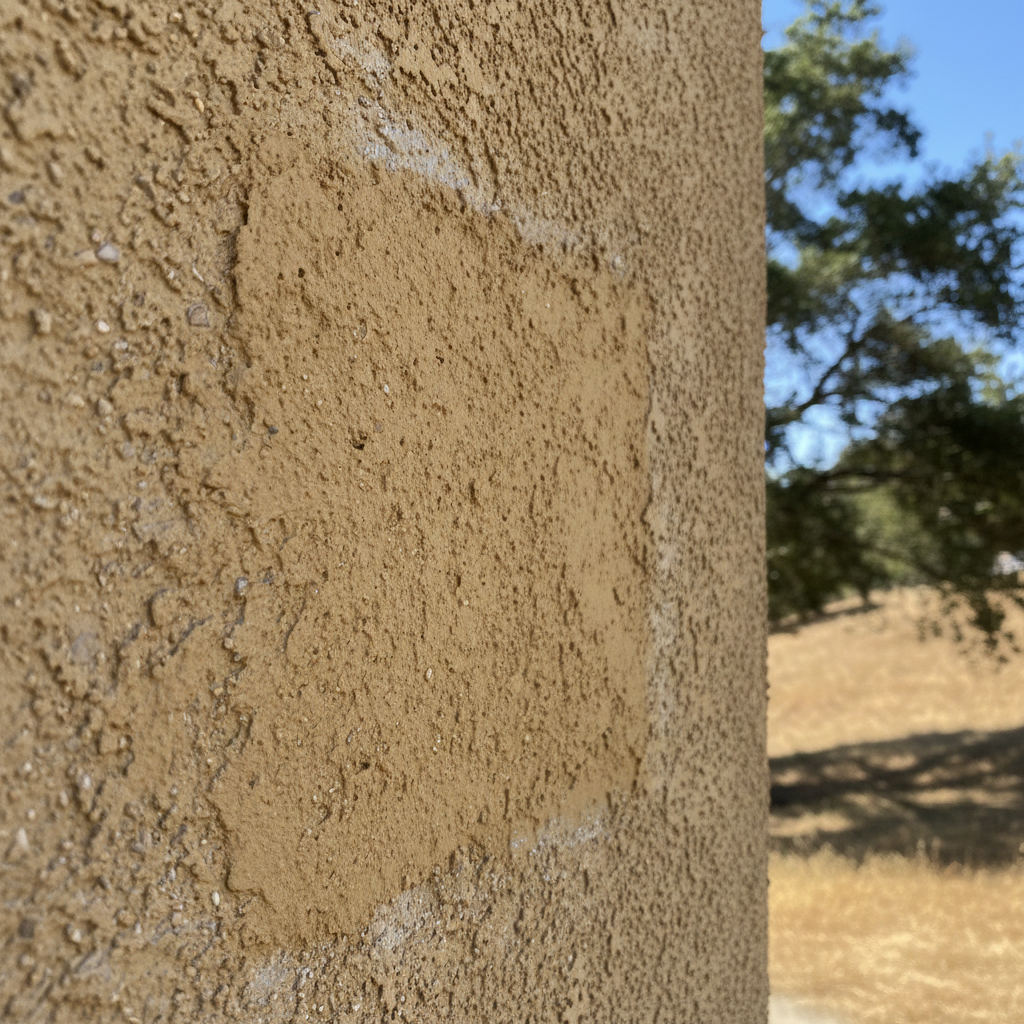
Alright, let's talk stucco repair. You've got a beautiful home here in Saratoga, maybe up in the hills or down near Prospect Road, and you've spotted some cracks or damage on your stucco. It’s not just an eyesore, you know; it can become a real problem if you just leave it, letting moisture sneak in behind your walls. So, what’s the plan?
Spotting the Damage: What Exactly Are You Looking At?
First things first, you need to figure out what kind of damage you're actually dealing with. Not all cracks are the same. You might see hairline cracks, spiderweb cracks, impact damage, or sometimes even bigger structural cracks. Hairline cracks, often called craze cracks, are usually just on the surface and mostly cosmetic. They’re pretty common, especially with our temperature swings here in the Bay Area, and often don't mean water's getting in. Phew!
Spiderweb cracks, or map cracks, are a bit more worrying. These can point to a slightly deeper issue or just stucco that's getting old. Then there's impact damage – maybe a ball hit the wall, or a ladder slipped, you know, things happen. Those are usually pretty obvious. The big ones to really watch out for are horizontal cracks, cracks around windows and doors, or any cracks wider than about 1/8 inch. Those can signal structural movement or serious water intrusion, and you definitely don't want to mess around with them.
DIY or Call a Pro? Here's the Honest Truth
This is where most homeowners get stuck. Can you actually fix it yourself? Sometimes, yes. For small, hairline cracks and minor impact damage, you absolutely can do some effective DIY repairs. You’ll need some basic tools: a wire brush, a trowel, a caulk gun, some stucco patch material, and maybe some primer and paint to match. It’s not exactly rocket science for the small stuff.
Here’s what you can realistically tackle:
- Hairline cracks: Clean 'em out, apply a good quality elastomeric caulk or a thin layer of acrylic stucco patch. Smooth it out, let it dry, and paint.
- Small impact holes: Clean out any loose debris, dampen the area, and apply a stucco patch in layers if it's deep. Feather the edges so it blends.
- Minor spalling (flaking): Scrape off the loose stuff, clean, and apply a thin coat of patch.
Now, when should you absolutely call a pro? If you see any of these, put down the trowel and pick up the phone:
- Cracks wider than 1/8 inch or that you can stick a credit card into.
- Cracks that run horizontally for a long distance.
- Damage around windows, doors, or rooflines – these are common entry points for water, after all.
- Large areas of delaminated or crumbling stucco.
- Any signs of water damage inside your home related to exterior stucco issues.
- If you have EIFS (Exterior Insulation and Finish Systems) – that's a whole different ballgame and requires specialized knowledge.
- If you just don't feel comfortable. There's no shame in knowing your limits.
Honestly, for anything beyond cosmetic fixes, you're better off getting an expert opinion. You really don't want to accidentally trap moisture behind a patch, which can lead to bigger, more expensive problems down the line. We've certainly seen it happen. The clay soils we often find in Saratoga, especially on properties with older foundations, can shift and cause stress cracks that look minor but are actually telling a bigger story about your home's stability.
The Repair Process: What to Expect
If you're doing a small DIY job, it's pretty straightforward: clean, prep, apply, finish. Make sure you match your stucco texture and color as best you can. It's tough to get a perfect match on aged stucco, but you can get pretty close with some practice and good quality materials.
If you call someone like us at Coastal Stucco, here's generally what we'll do:
- Assessment: We'll come out, take a look, and figure out the root cause of the damage. Is it just age? Water? Structural?
- Preparation: We'll protect your landscaping and surrounding areas. Then, we'll remove all the loose or damaged stucco, often cutting back to a solid, stable edge.
- Lath and Moisture Barrier: If the damage goes deep, we'll repair or replace the lath (the wire mesh) and make sure your moisture barrier is intact. This is absolutely crucial for keeping water out.
- Stucco Application: We'll apply new stucco in layers, matching the existing texture and finish as closely as possible. This usually involves a scratch coat, brown coat, and then the finish coat.
- Curing and Finishing: Stucco needs time to cure properly. We'll make sure it's done right, and then we'll prime and paint the area to blend it in with your existing home.
After the Repair: Keeping an Eye On It
Once the repair is done, whether you did it or we did, it's not a set-it-and-forget-it situation. Do a walk-around your house a couple of times a year. After heavy rains, especially, check those repaired areas. Look for new cracks forming, discoloration, or any signs that water might be getting in. Catching small issues early is always cheaper and easier than waiting for them to become big problems.
Keep your gutters clean, make sure downspouts direct water away from your foundation, and trim back any plants or trees that are constantly rubbing against your stucco. A little preventative maintenance goes a long way in protecting your investment.
Don't let stucco damage stress you out. Figure out what you're comfortable with, and for anything else, give Coastal Stucco a call. We're here to help keep your Saratoga home looking good and staying dry.