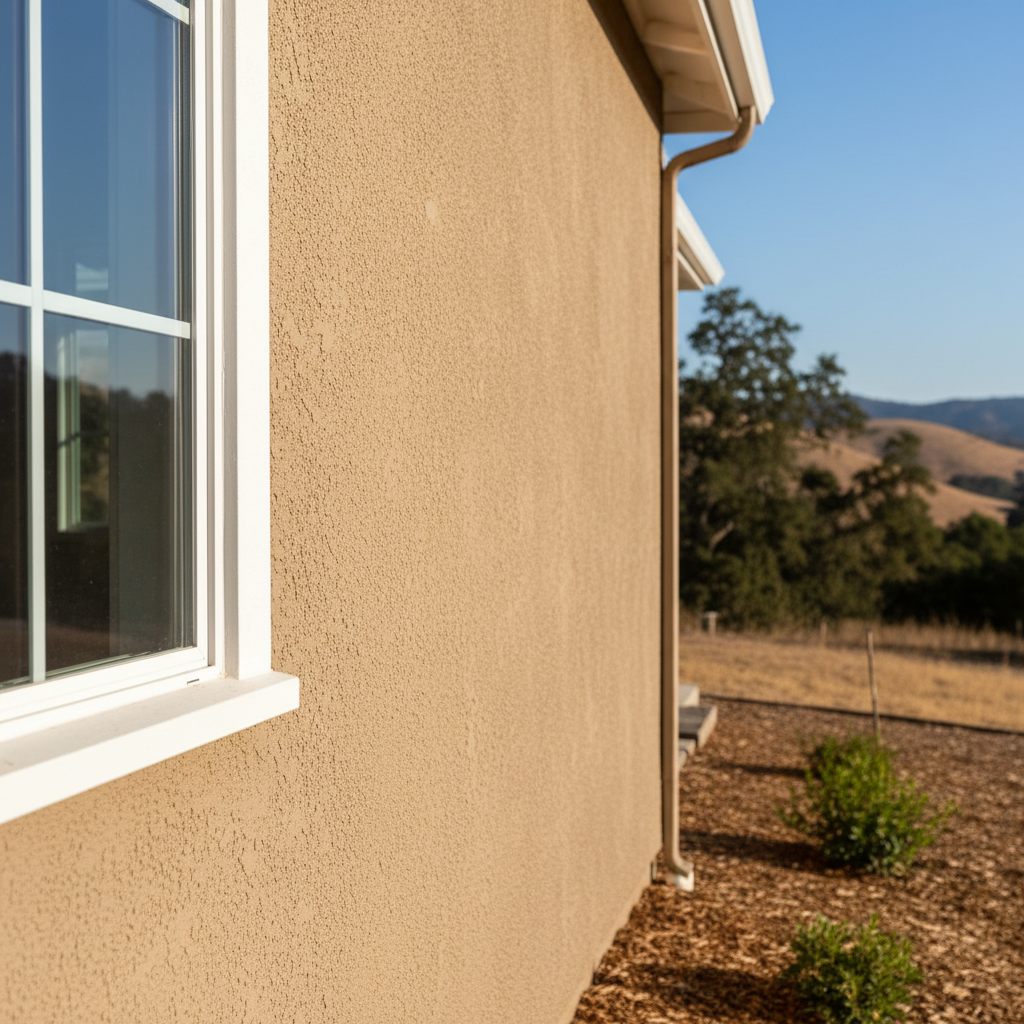
So, you're looking at your stucco and wondering what's next for it. Maybe it's just a small crack, or maybe you're dreaming of a whole new look for your Saratoga home. That's a pretty common thought for homeowners around here, especially with our older homes and the occasional dry spell that can really test a building's exterior.
Before You Start: Planning Your Stucco Project
First things first, figure out what you're actually trying to accomplish. Are we talking about a small patch job, a full repaint, or a complete re-stucco? Each of those is a different animal, and your approach will change dramatically depending on which one it is.
For a small crack or just a bit of flaking paint, you might be able to handle it yourself. But if you're seeing widespread cracking, bulging, or water stains, that's a big red flag. Those aren't just cosmetic issues; they usually point to underlying problems that need a pro's eye. You really don't want to just paint over water damage and hope for the best – that'll cost you way more down the line, believe me.
Think about the scope. If you're just repainting, you'll need to clean the surface thoroughly, fix any minor dings, and then put on a good quality elastomeric paint. That's often a DIY-friendly project, assuming you're comfortable on a ladder and have a steady hand.
During the Project: DIY vs. Professional Hands
Alright, let's break down what you can realistically do yourself and when you absolutely need to call someone like me at Coastal Stucco.
- Small Patching & Repairs: If it's a hairline crack or a tiny ding, you can probably patch it. You'll need some stucco patch mix, a trowel, and a bit of patience. Clean the area, wet it slightly, apply the patch, and then try to match the existing texture. It takes practice, but for small areas, it's totally doable. Just make sure you're using the right type of patch for your stucco, okay?
- Painting: As I said, painting is often a good DIY project. Prep work is key here. Power wash the surface (carefully, you don't want to blast off loose stucco!), scrape any peeling paint, and fill small holes. Use a high-quality exterior primer and then two coats of elastomeric paint. This type of paint stretches and contracts with temperature changes, which is great for stucco, especially with our hot summers and cool, damp winters here in Saratoga.
- Major Repairs or Re-Stucco: This is where you call the pros. If you've got large sections of stucco falling off, significant cracks (larger than a quarter-inch), or you're seeing signs of moisture getting in, don't mess with it yourself. Stucco systems are complex. There's a lath, a scratch coat, a brown coat, and then the finish coat. Plus, you've got to worry about flashing around windows and doors to prevent water from getting behind the stucco. Getting that wrong can lead to serious rot and mold issues. Trust me, I've seen plenty of homes in the Montalvo area where a bad DIY job ended up costing ten times more to fix properly.
- Texture Matching: This is an art form. If you're trying to patch a large area and want it to blend seamlessly, a professional stucco contractor has the experience and tools to match existing textures – whether it's a smooth Santa Barbara finish or a more textured dash finish. It's harder than it looks to make it disappear.
After the Project: Keeping Your Stucco Healthy
Once the work is done, whether you did it or we did, maintenance is pretty straightforward. Keep an eye on your stucco. Walk around your house a couple of times a year, especially after heavy rains or a long dry spell. Look for new cracks, discoloration, or any areas where the stucco might be pulling away from the wall.
Keep your gutters clean and make sure downspouts are directing water away from your foundation. Water is stucco's biggest enemy. If you've got sprinklers hitting your stucco regularly, adjust them. Constant moisture can lead to algae growth and eventually degrade the material.
If you see small issues pop up, address them quickly. A small crack today can become a bigger problem tomorrow if water gets in. And if you're ever unsure, just give us a call at Coastal Stucco. It's always better to get a professional opinion early than to wait until it's a major headache. We're here to help keep your home looking good and protected for years to come.