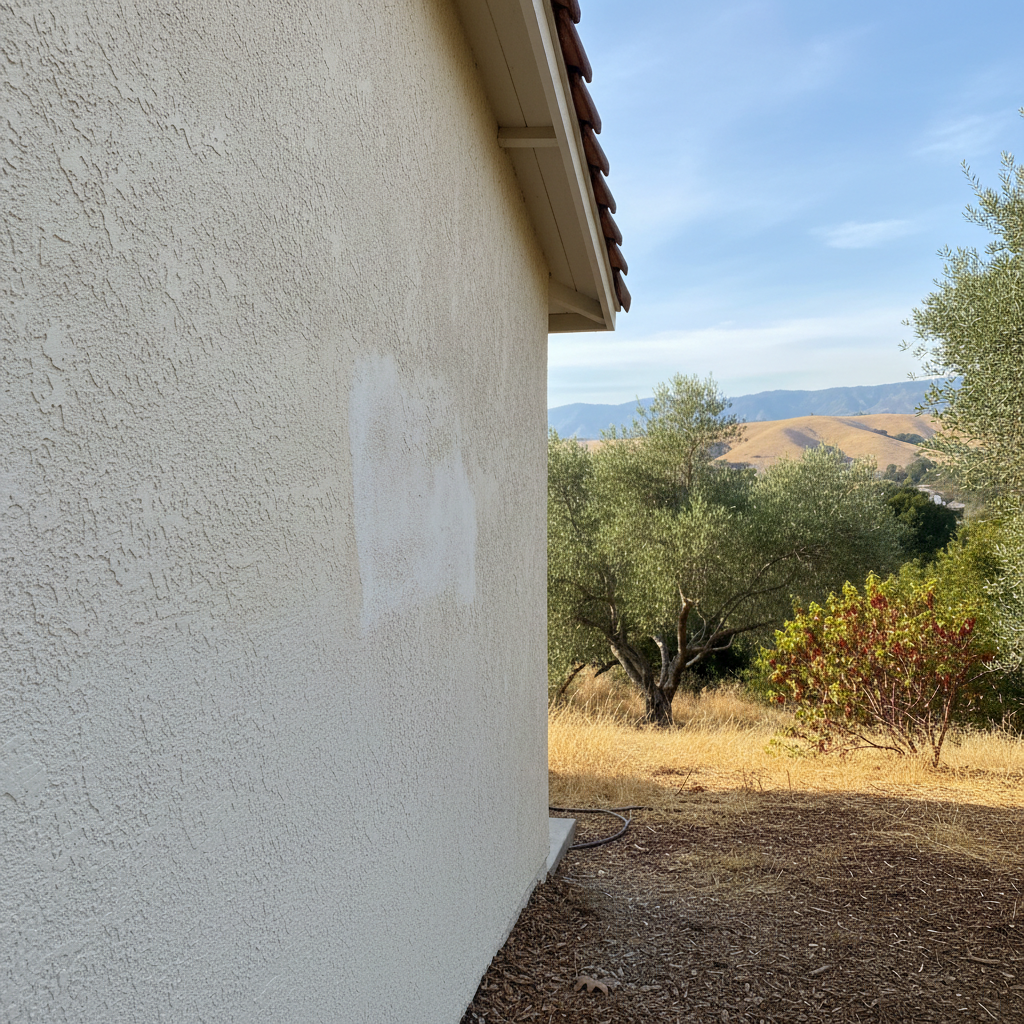
You've got stucco on your home, and you live in Saratoga. That means you've got a beautiful, durable exterior, but it also means you need to think about maintenance differently than someone with, say, vinyl siding. Our climate here, with those long, dry summers and then the wet, cool winters, really puts stucco through its paces. I've seen it time and again.
Understanding Saratoga's Climate and Your Stucco
Here in Saratoga, we experience some pretty distinct seasons. We get those hot, dry months where the sun bakes everything, and then the cooler, wetter periods. This constant expansion and contraction from temperature swings, plus the moisture, is what eventually leads to cracks in your stucco. It's not a flaw in the material; it's just physics and weather doing their thing over time. Especially if your home is older, maybe one of those charming mid-century ranches up in the hills near Montalvo, the original stucco might be showing its age.
When's the Best Time for Stucco Repair?
This is probably the most common question I get. For stucco repair, timing is everything. You want conditions that allow the new material to cure properly without being rushed or washed away. That means:
Spring (Ideal): This is usually your sweet spot. The temperatures are mild, not too hot, not too cold. We're past the heavy winter rains, but the scorching summer sun hasn't kicked in yet. The air isn't too humid, which helps the stucco dry and cure evenly. You'll get the best results if you can schedule your repairs in late spring.
Early Fall (Good, but watch the forecast): Once the summer heat breaks, early fall can also be a good window. The days are still warm enough for proper curing, but you need to keep an eye on the long-range forecast. You don't want a sudden cold snap or an early downpour to mess with fresh work. If we get one of those unseasonable rainstorms, it can really set things back.
Summer (Tricky, but doable): We can certainly do repairs in the summer, but it takes more care. The intense heat can dry out stucco too quickly, leading to hairline cracks if not managed properly. We often have to take extra steps, like misting the area or working during cooler parts of the day, to ensure a good cure. It's not ideal, but sometimes repairs can't wait.
Winter (Avoid if possible): I generally tell folks to hold off on major stucco repairs during our winter months. The cold temperatures slow down the curing process, and constant rain can wash out new material or prevent it from bonding correctly. Plus, nobody wants to work outside in a downpour, and you definitely don't want your home exposed to the elements any longer than necessary. Small, emergency patches might be unavoidable, but save the bigger jobs for drier weather.
Weather Conditions That Affect Stucco Work
It's not just the season; daily weather matters too. When I'm planning a job for Coastal Stucco, I'm looking at a few things:
Temperature: Ideally, you want temperatures between 40°F and 90°F. Below 40°F, stucco cures too slowly or not at all. Above 90°F, it dries too fast, which can weaken it.
Humidity: Moderate humidity is good. Too dry, and it dries too fast. Too humid, and it takes forever to cure, increasing the risk of issues.
Rain: This is the big one. Fresh stucco can't get wet. If rain is in the forecast, we'll either postpone or take extensive measures to protect the work area. You don't want water washing away your investment before it's even set.
Wind: High winds can also dry out stucco too quickly, similar to high temperatures. They can also carry dust and debris, which isn't great for a clean finish.
Protecting Your Stucco Investment Year-Round
So, you've got your repairs done, or maybe your stucco is in great shape and you want to keep it that way. Here's what you can do:
Regular Inspections: Walk around your house a couple of times a year, especially after a heavy rain or a long dry spell. Look for cracks, discoloration, or any areas where the stucco might be pulling away from trim or windows. Catching small issues early is always cheaper and easier than dealing with big ones.
Manage Water: This is huge. Make sure your gutters are clean and draining properly, directing water away from your foundation. Check your sprinklers; they shouldn't be constantly spraying your stucco walls. Prolonged moisture is stucco's enemy. If you've got a hillside home, proper drainage is even more critical.
Seal Cracks Promptly: Don't let small cracks become big problems. Even hairline cracks can let water in, leading to bigger issues like rot in the sheathing underneath. If you see them, get them sealed up. If you're not sure, give us a call.
Keep Plants Away: While climbing vines might look charming, they can trap moisture against your stucco and even push into small cracks, making them worse. Keep shrubs and trees trimmed so they're not touching the walls.
Consider a Fresh Coat of Paint/Elastomeric Coating: A good quality exterior paint designed for stucco can add an extra layer of protection against the elements. Elastomeric coatings are even better; they're flexible and can bridge small cracks, providing excellent waterproofing. It's like putting a really good raincoat on your house.
Taking care of your stucco isn't just about curb appeal; it's about protecting the integrity of your home. A little vigilance and timely maintenance can save you from costly headaches down the road. If you've got questions or see something that doesn't look right, don't hesitate to reach out. We're here to help.