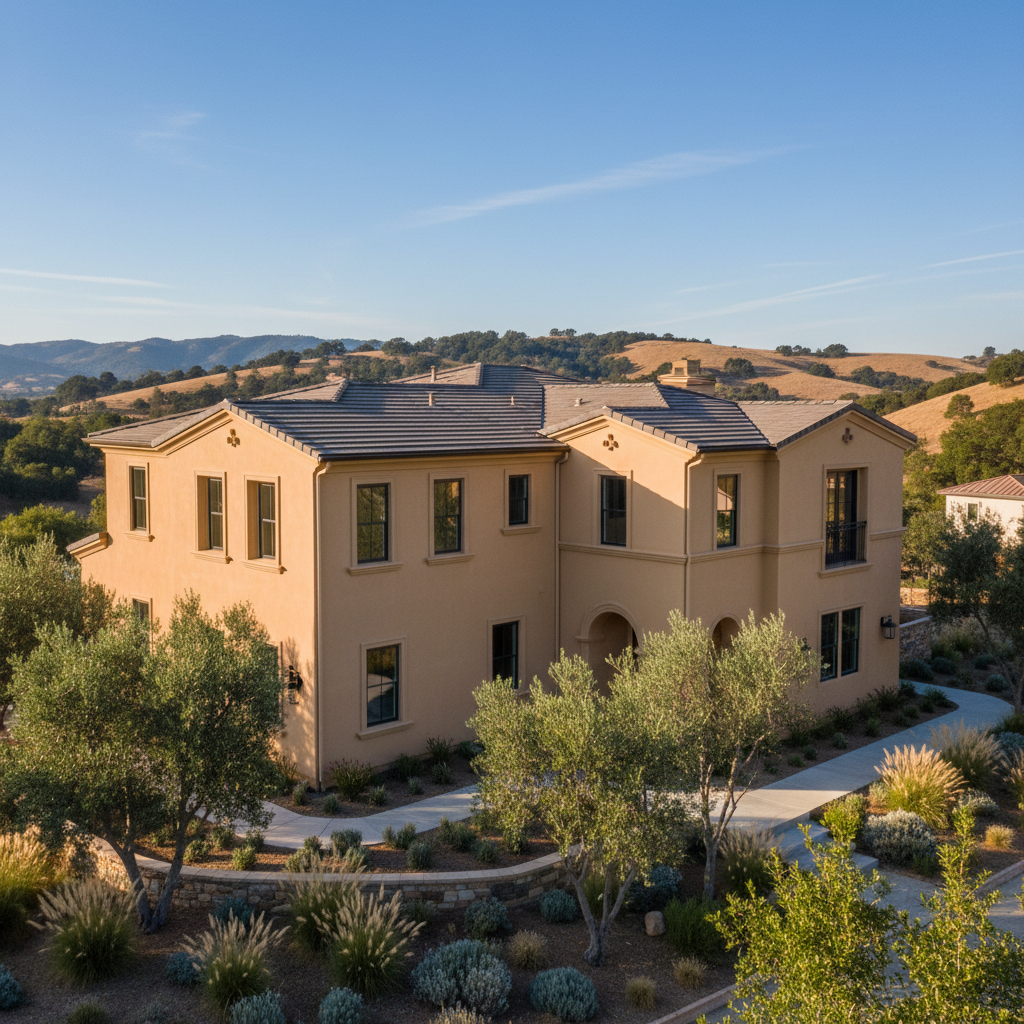
Alright, so you've got a commercial stucco project on your hands here in Saratoga. Maybe it's an office building, a retail space, or even a multi-unit residential property you own. Whatever it is, this is a bigger job than just re-stuccoing your garage, and it needs a different kind of planning. I've seen enough of these projects go sideways when folks aren't prepared, so let's talk about how to get this done right from the very beginning.
Setting Your Project Timeline
First things first, let's get real about timing. Commercial stucco isn't a weekend gig. You're looking at weeks, sometimes months, depending on the building's size and how complicated the work is. Here's how it usually shakes out:
- Initial Consult & Bidding (2-4 weeks): You'll need to get a few bids. Don't rush this part. A good contractor needs time to really look at the scope, materials, and labor involved. We aren't just pulling numbers out of thin air; we're figuring out a solid plan.
- Contract & Permitting (2-6 weeks): Once you pick your contractor, you'll go through the contract phase. Then comes permitting. In Saratoga, just like anywhere else, the city has its own process. This can vary wildly depending on the project's size and how busy the planning department happens to be. Seriously, don't underestimate this step.
- Material Procurement (1-4 weeks): Stucco materials, especially specialized finishes or colors, aren't always just sitting on a shelf. Someone needs to order them, ship them, and get them delivered. Good contractors will coordinate this to keep downtime to a minimum, but it's still a factor.
- On-Site Work (4 weeks to several months): This is the actual application. Weather plays a huge role here in the Bay Area. Those foggy mornings we get, or unexpected rain, can definitely push things back. You can't apply stucco in certain conditions, and trying to rush it just leads to problems down the road.
- Curing & Final Inspection (1-2 weeks): Stucco needs time to cure properly. After that, there's the final inspection by the city. Don't plan your grand re-opening for the day the last coat goes on, okay?
What to Expect During the Process
Once we're rolling, here's what you'll typically see:
Site Prep: The crew will set up scaffolding, protect windows and doors, and make sure the site is safe and ready. This isn't just about applying stucco; it's about protecting your investment and the people around it.
Demolition (if needed): If it's a re-stucco project, the old stuff has to come off. This can be dusty and noisy. We'll do our best to contain it, but it's part of the deal.
Lath & Scratch Coat: This is the foundation. Metal lath goes up, then the first layer of stucco, which we call the scratch coat. It's rough, but it's absolutely crucial for adhesion.
Brown Coat: This is the second layer. We level and smooth it. This is where the wall starts to really take its final shape.
Finish Coat: Now for the pretty part. The final color and texture go on. This is where the applicator's skill really shines. We take pride in our finishes at Coastal Stucco, making sure it looks sharp and lasts.
Cleanup: Once the work is done, we'll clean up the site, remove scaffolding, and make sure everything is tidy.
How to Prepare Your Property
You've got a role to play too. Here's how you can help make things go smoothly:
- Clear the Area: Move any outdoor furniture, planters, signs, or anything else that's near the building. The less we have to move, the faster we can work.
- Notify Tenants/Occupants: If you have tenants or employees, give them plenty of notice about the project. Let them know about potential noise, dust, and any access changes. Good communication keeps everyone happy.
- Ensure Access: Make sure the crew has clear access to the work areas, water, and power. Sometimes this means coordinating parking or deliveries.
- Review Plans: Before work starts, sit down with your contractor and go over the plans one last time. Make sure everyone is on the same page regarding colors, textures, and any specific details.
Crucial Questions Before Signing That Contract
Don't just sign on the dotted line. Ask these questions:
- What's the detailed scope of work? Make sure it spells out exactly what's included, from prep to cleanup. No vague language.
- What's your payment schedule? A reputable contractor won't ask for 50% upfront. Expect a reasonable deposit and progress payments tied to completed work phases.
- What permits are needed, and who's responsible for getting them? The contractor should handle this, but you need to confirm it in writing.
- What's your warranty on labor and materials? Get it in writing. How long does it last, and what does it cover?
- What's your plan for site protection and cleanup? How will they protect landscaping, adjacent buildings, and manage debris?
- How do you handle change orders? If something unexpected comes up, what's the process for adjusting the scope and cost? You really don't want surprises here.
- Can I see your proof of insurance and licensing? This is non-negotiable. Don't work with anyone who can't provide this. We're talking general liability and workers' comp.
- Who will be my primary point of contact during the project? You need one person you can call with questions or concerns.
A commercial stucco project is a big investment, and done right, it adds significant value and curb appeal to your property. Take the time to plan, ask the right questions, and work with a contractor who knows their stuff. It'll save you headaches and money in the long run.