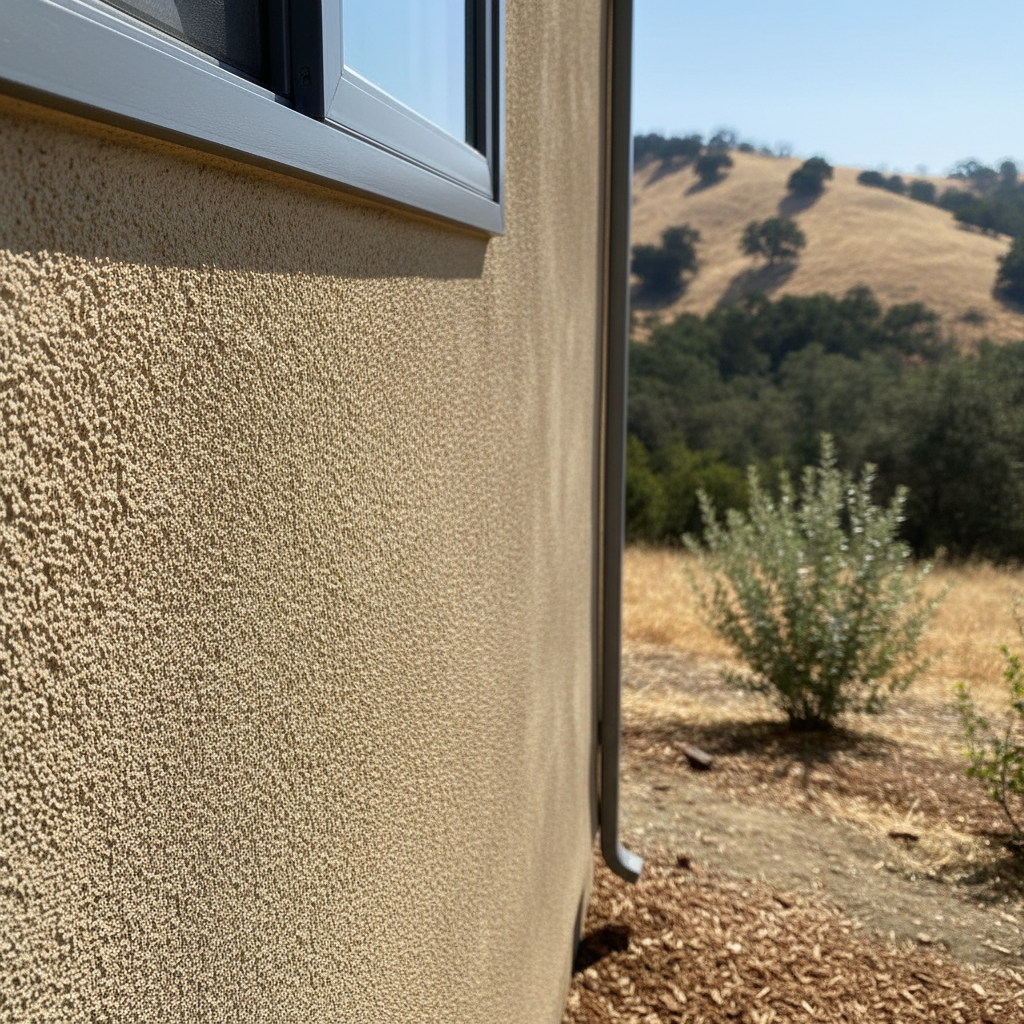
EIFS. That's a term I hear all the time, especially from folks here in Saratoga who are either updating their homes or building new ones. There's a lot of chatter out there about Exterior Insulation and Finish Systems, and honestly, not all of it's spot on. I've been putting in and fixing stucco and EIFS for years, and believe me, I've seen firsthand what works and what absolutely doesn't, particularly with our unique climate here in the Santa Clara Valley. So, let's really dig into what you need to know.
What exactly is EIFS, and how's it different from regular stucco?
Alright, let's break this down simply. Traditional stucco, the kind you spot on plenty of older homes, is basically a cement-based plaster system. We apply it in layers over a wire lath. It's tough, it lasts, and it breathes. EIFS, though, is a multi-layered exterior finish that actually includes insulation. Picture it as a huge, continuous thermal blanket for your house.
The big difference? That insulation layer. With EIFS, you usually start with an adhesive, then a rigid insulation board (most often expanded polystyrene, or EPS). After that comes a base coat with a fiberglass mesh embedded for strength, and finally, a textured finish coat. It's a synthetic system, which means its properties are different from cement stucco. It's lighter, more flexible, and provides way better insulation. Pretty cool, right?
Is EIFS tough enough for Saratoga's weather?
You bet it is. When it's put in correctly, EIFS is incredibly durable. We get a real mix here in Saratoga: hot, dry summers and sometimes pretty wet winters. EIFS's flexibility means it's less likely to crack from temperature swings compared to traditional stucco, which can be a real headache. That fiberglass mesh I mentioned earlier? It adds a ton of impact resistance, too. You won't easily punch a hole through it. The absolute key, and I really can't emphasize this enough, is proper installation. If water gets behind it because of bad flashing or sealants, that's when you run into trouble. But that's true for any exterior cladding, honestly.
What are the main perks of picking EIFS for my home?
There are a few big advantages that really stand out for homeowners. First, and probably what people talk about most, is energy efficiency. That insulation layer makes a huge difference in your heating and cooling bills. You'll feel it inside, too – a much more consistent temperature, fewer drafts. Second, it's super versatile aesthetically. You can get EIFS in almost any color and texture you can imagine, from super smooth to sand-like, even mimicking stone or brick. It gives you so much design freedom. Third, it's lightweight. This can be a real plus for certain structural considerations, especially if you're adding onto an existing structure. And finally, like I said, it's quite durable and resists cracking when done right.
Any downsides or common EIFS problems I should know about?
Every system has its quirks, and EIFS isn't an exception. The biggest concern, historically, has been moisture getting in. If EIFS isn't installed with proper drainage and flashing details, water can get trapped behind the system. This leads to rot in the sheathing or framing. This was a bigger issue with older, barrier-type EIFS systems. Modern EIFS, which we call 'drainage EIFS,' includes a drainage plane to let any moisture that gets in escape. It's a much better system. Another thing is impact damage. While it's tough, a sharp, hard hit can dent or puncture it, and those repairs need to be done correctly to keep the system sound. Also, it's not a DIY job; you really need experienced professionals like us at Coastal Stucco to put it in right.
How long does EIFS typically last, and what kind of maintenance does it need?
A well-installed EIFS system can last for decades – easily 30-50 years, often even longer. It's a long-term investment, for sure. As for maintenance, it's pretty simple. You'll want to keep it clean, just like any exterior. A gentle washing with a hose and mild detergent once a year or so will keep it looking fresh. The most important thing is to regularly check your caulk and sealants around windows, doors, and any other penetrations. If you spot any cracks or gaps, get them sealed up right away. That's your first line of defense against moisture. Also, make sure your gutters are clean and directing water away from the walls, especially with those heavy downpours we sometimes get in the foothills around places like Montalvo.
Can EIFS be repaired if it gets damaged?
Yes, absolutely. EIFS is definitely repairable. Minor dings or small cracks can often be patched up seamlessly by a skilled professional. If you have a larger section that's been damaged, say from a tree branch or something, we can cut out the affected area, replace the insulation, reapply the base coat and mesh, and then match the finish coat. The trick is getting the texture and color match just right, which takes experience. Don't try to slap some caulk on a big hole yourself; you'll just make it worse and potentially compromise the whole system. Call someone who knows what they're doing.
So, that's the rundown on EIFS. It's a great product when it's done right, offering a lot of advantages for homeowners looking for efficiency and aesthetic flexibility. Just make sure you're working with a contractor who truly understands the system inside and out, especially all those drainage details. We've seen it all, and we're here to make sure your home is protected and looks fantastic.